Boston’s Dorchester faces displacement and a loss of community after recent strides in gentrification.
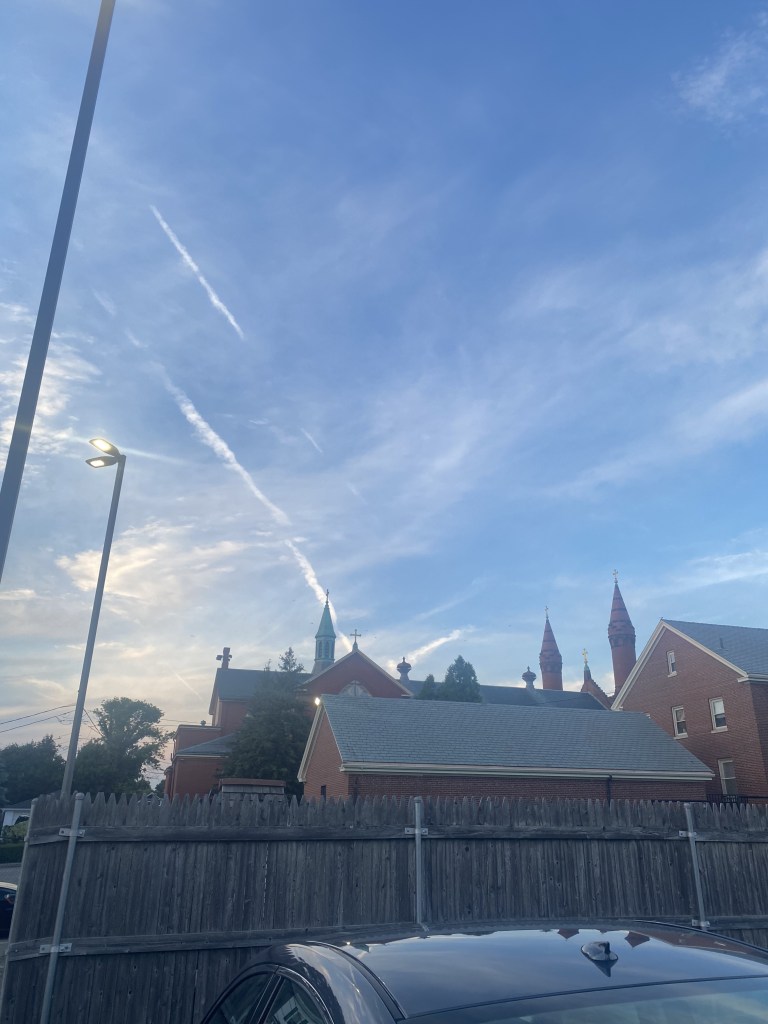
BOSTON, MA – The hidden heart of Boston lies within the recently shifting neighborhood of Dorchester. An emblem of diversity, immigration and what it means to be a member of the working class, Dorchester has been labeled with a dangerous reputation, but its soul and history actively rebuke this notion.
In recent years, Dorchester has faced buyouts of neighborhoods, multi-family homes and businesses in attempts to “modernize” the area, creating a daunting problem of gentrification to native and local families who have now been introduced to jacked-up rent prices and luxury condominiums.
For the Fitzgerald family, the issue of Dorchester’s pressing gentrification hits especially close to home – literally.
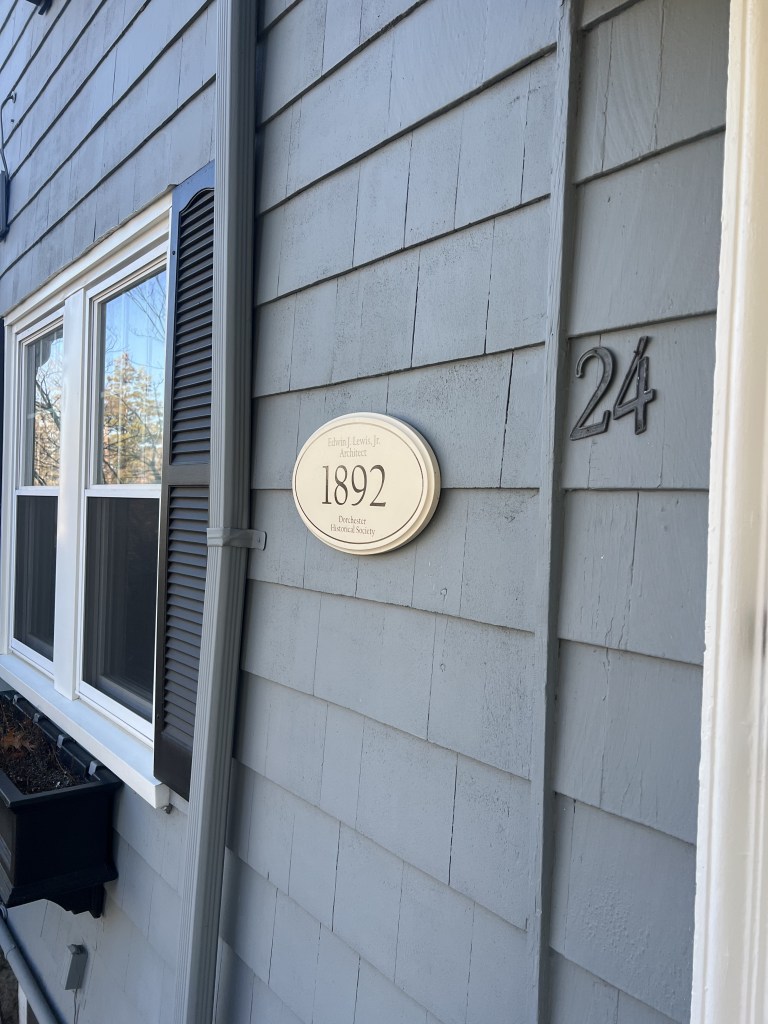
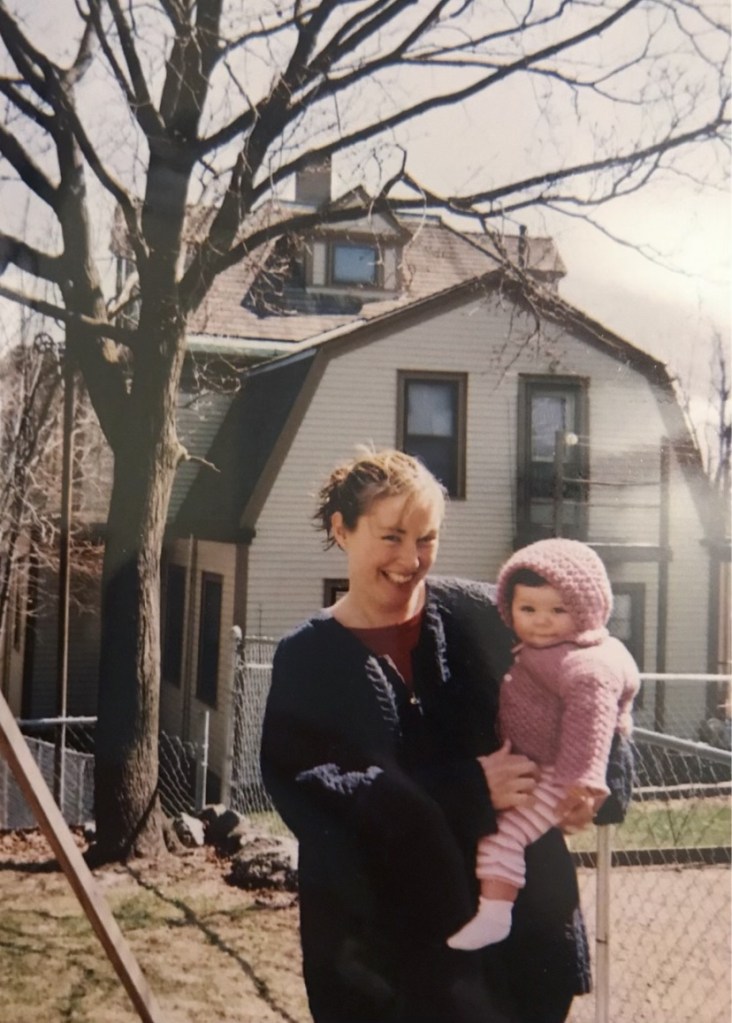
For years, 24 Richview street has seen generations of the Fitzgerald family grow up, whether they decided to stay in the city or spill out into the suburbs surrounding. The house itself is a part of the historical society in Dorchester and built in 1892, watching Dorchester change throughout the years with the Fitzgerald family living there since the 1960s.
Therese and Steven Fitzgerald, 56-year-old Dorchester natives, have lived in Dorchester their entire lives. There was a palpable segregation of the neighborhood when they were young that they now fear may creep back dressed in a different format in years to come.
“Growing up, Dot was super segregated. North Dorchester was predominantly black and Southern Dorchester was predominantly white. Overall though, there was lots of crime, violence and drug addiction. The media latched onto Dorchester as being this terrible place. The six o’clock news would come on and it was flooded with solely news about Dorchester shootings, gang violence… you name it. I was even asked if I carried a knife around with me by the girls at my highschool,” said Therese.
Although there was a lot of crime, Steven and Therese did not feel an impending sense of danger. They were raised with this sense of community in Dorchester that made what seemed to outsiders as one of the most dangerous Boston neighborhoods, actually feel like a small village.
Steven and Therese decided to stay in Dorchester to raise their children, but with the rising market, they knew that it would be expensive.
“The market was very high. We could rent because we had friends who owned a multi-family house and could rent to us while we saved for a down payment. A lot of people left the city because they couldn’t afford to buy a house and pay to put their children in private school. We couldn’t necessarily do that either, but we committed to staying because we love it here,” said Steven.
According to Therese, their neighborhood is extremely integrated and diverse with all different races and sexualities. The problem no longer lies within the segregation of race. It has now become a matter of classism.
“What we are seeing now is that lower income people of all races are being pushed out. The black and brown people who have been here for generations are getting pushed out because if they did not already own a home, they can’t afford to buy one now,” said Therese. “I did some consulting for a local city counselor and what’s happening is big corporations have been coming in and paying cash for houses and turning them into Airbnbs or investing in the properties and renting them out at very high prices.”
For generations, Dorchester has had a large population of Vietnamese people, as well as Irish immigrants. After the famine in Ireland, many immigrants settled in Dorchester, creating a lush celtic undertone in many areas of Dorchester. To be able to afford raising families and legacies in America, working class families would buy what are known as two or three deckers.
The house would consist of numerous floors, one for each family. Three brothers could afford to bring all of their respective families to one house, where they all would split rent and mortgage and make a life for themselves. Dorchester is well known for this style of living.
“I grew up in a three family triple decker. It wasn’t unusual. There was a lot of intergenerational exchange of housing. The shift is this: a lot of the two and three families have been turned into more luxury condos. Even if you could get your hands on a multi family home, you’d have to charge high rents to help you pay that mortgage,” said Therese.
It’s not only white people who are buying out these multi family homes though. There now lies this interracial tension between black and brown folks who are immigrants and buying these homes. When they rent the other floors to other immigrant families for below market price, the city is cracking down on landlords to charge appropriately, resulting in the eviction of these families.
What once was a way for immigrants to come to Dorchester and create a life is now being heavily monitored by real estate and big corporations looking to buy out these multi-generational homes that have been pivotal in the diversity and accessibility of Dorchester living.
Historically, Irish and Italian immigrants would rent these multi-family homes to each other. Now, Caribbean immigrants who are attempting to do the same are now having to evict other immigrants.
It’s not only the matter of long-time Dorchester residents being driven out of their own homes, but it’s also the creeping loss of community and culture. What used to feel like a small slice of the world, now feels swallowed.
“For example, Adam’s Village has exploded with restaurants when there used to be, like, two. That’s part of the gentrification that we’re seeing. We weren’t rooting for gentrification, we just wanted more options to go out to dinner. There’s this Irish bar opening up. It’s beautiful, there’s live music that’s part of our culture, but where is that family from? They’re not from Dorchester, whereas so many other places around here were owned locally,” said Steven.
There lies a complexity that Dorchester natives are feeling in respect to new restaurants and businesses coming in. Craig Galvin, a Boston real estate agent and long-time Dorchester native, finds that there is use in how modern Dorchester is becoming.
“People are now paying for a higher standard of living. That’s why the rents are higher. Where there used to be one coffee shop in Lower Mills, now there’s four… and maybe a Target. I won’t deny that people are being driven out, but I don’t think it’s on as large of a scale as people are making it out to be,” said Galvin.
But, no matter where new restaurants, condos or businesses are being implicated, Dorchester natives know and love the community they are used to feeling when walking into a shop.
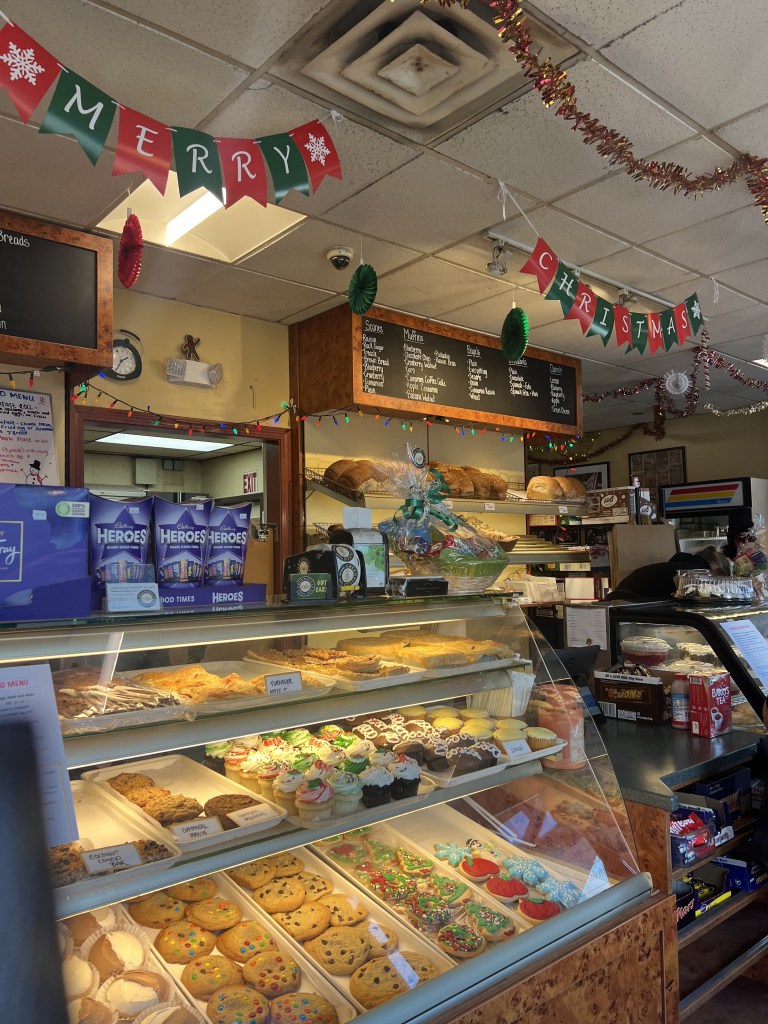
“Gerard, who owned Gerard’s, lived in Milton, but he owned that restaurant for 34 years. The guy who owned the Ashmont Grill lived in Ashmont Hill. The woman that ran Ester, she was from Dorchester. These outside people are now coming in and investing in our community, which is great, but what about the generational people who have always been here? Help them get housing and help them get restaurants,” said Therese.
Being in real estate, Galvin is supportive of the switch to a more modernized Dorchester. But, his Dorchester nativeness still remains.
“We need local places. It’s part of our charm. We need Greenhills Bakery, Gerards, you know? My wife always says to me, ‘you love a pop up,’ and I do! I love supporting small businesses. They’re just important,” said Galvin.
Even the younger generation of Dorchester natives are feeling the shift. Steven and Therese’s daughter, Audra Fitzgerald, has lived in Dorchester her entire life before leaving to attend college in Ithaca. The 21-year-old student has found solace in Dorchester’s comfortability, but lately it hasn’t been the same.
“I describe Dorchester to people as a small town. Even though I’m in a major city, everyone knows each other and takes care of each other. Now, it has changed a lot. Every time I come back, there’s another condo building it feels like,” said Audra Fitzgerald.
Even walking down the street, there lies a different look to this corner of the city.
“It’s sad seeing all of the renovated houses in place of the ‘run-down’ ones that I grew up walking by. It’s like, why are you building farm houses? You’re in the middle of the city,” said Audra.
According to Audra, the businesses in Dorchester used to parallel the neighborhood. Everyone in Dorchester knew what was going on with each other and looked out for each other. Dorchester has been a quiet hub of culture that has now been tapped into and spilled out of.
For Therese, Dorchester has evolved from what she knew as a young girl and she wants to preserve the fondness she holds for it still. It’s been an untapped underdog for years and she has just been waiting for people to realize.
“My sister and I talk a lot about how we can’t believe that people haven’t discovered Dorchester yet. We knew this would be coming. We’re on the ocean, minutes from downtown and it has a suburban feel,” said Therese.
But alas, there lies a tension between Dorchester residents and their feelings about the gentrification of Dorchester. Ultimately, they seek balance in their community.
‘I love that families and younger generations are appreciating the city, but I see it changing so much. I feel like there needs to be balance. It was way out of balance when I was in highschool and the girls asked if I carried a knife with me. But, I also don’t want to just see white, wealthy faces around my neighborhood. How do we keep folks in?” said Therese.
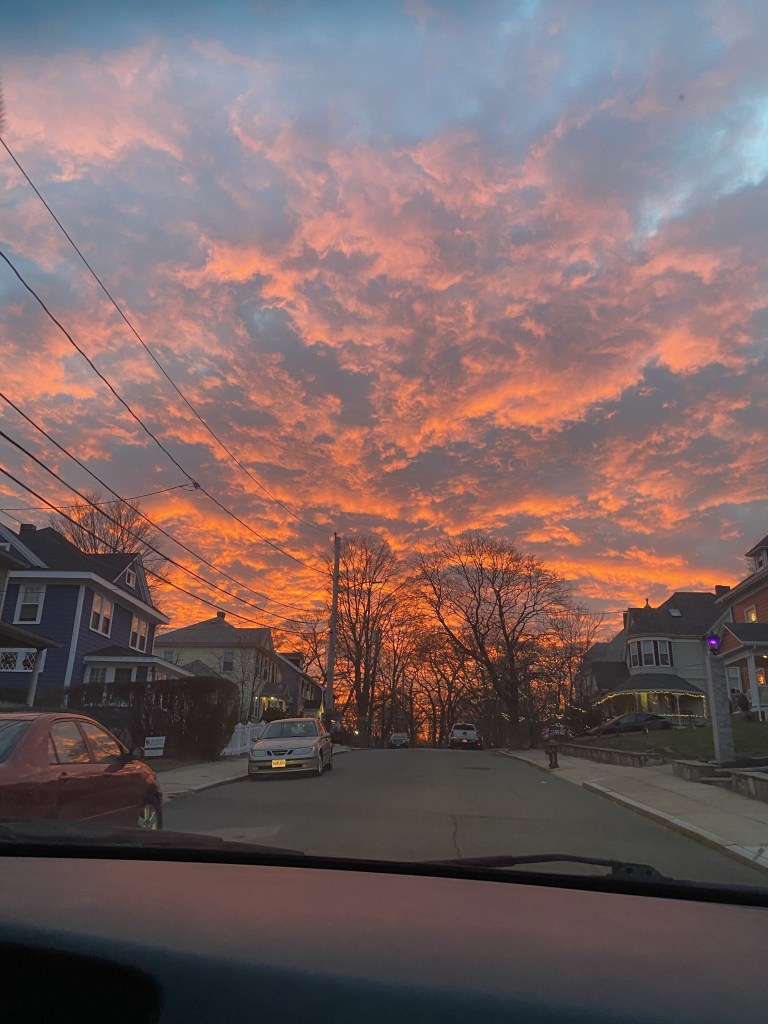
TikTok of Dorchester throughout the years!
Check out my X account: https://x.com/maevefitz14 for more TikToks!
Check out my TikTok account: @maevefitz14
 Moments with Maeve
Leave a Reply